

0

Your Cart is Empty

  • But The Goalie Didn’t Do Anything: A Deeper Look At The Nuance Of Goalkeeping By Jack Bowen

    June 16, 2026 5 min read

            Zero saves. One goal against. To the untrained eye, it appears as though U.S. goalkeeper Matt Freese essentially did nothing in the United States’ 4-1 win over Paraguay in their opening game of the World Cup. Yet, as with most complex activities—sports or otherwise—much nuance exists. To the trained eye, a goalkeeper’s job entails considerably more than the average 3-4 saves they make in a typical game.

            Commanding the Defense: A big part of what a goalie does involves directing the defenders. As goalies maintain the unique vantage point of seeing everyone on the field—offense and defense alike—they maintain the optimal position for giving direction. Often referred to as the Defensive General, the goalie needs to communicate clearly and concisely often under pressure, which all requires a deep understanding of both their own players and defensive systems as well as the tendencies and strategies of the offensive players.

            This is most obvious at the moment of a direct kick near the goal. Goalies determine the size of the human wall and place the defensive players in exactly the correct position to take off a particular part of the goal, leaving the remainder for the goalie to cover. Though most of the game is not like this: the goalie doesn’t have the comfort of time—instead, they direct their defensive players live-time, against a fast-moving attack involving multiple players, all the while defending the goal. The best way to defend against a shot on goal is to prevent it in the first place.

            Positioning: Consider these 2 facts: Goalies cover approximately 2.5 miles in a soccer match, and, goalies on average are about 5 years older than their non-goalie (“outfielder”) counterparts. What all of this adds up to is this: goalies are constantly moving and, while tracking the ball, they need to enact intricate geometric calculations adjusting their position relevant to where the ball is. This, in part, explains the age gap as this all requires more experience and having a “sense” of the goal. 

            Goalies need to do this fast-paced geometry while tracking a fast-moving ball yet not averting their eyes from the ball to glance at the goal behind them. As Francis Hodgson wrote in “Only The Goalkeeper to Beat,” “All goalkeepers know about narrowing the angle. It’s just that it’s not done on graph paper; it’s a nightmare, a kaleidoscope of bad things about to happen, any one of which can be precipitated by a step too far, a shift of body weight, even a movement of the head.” 

            So when an potential shooter sees the goalie in perfect position, they do one of two things: they take a secondary shot—which most often misses the target—or they don’t shoot at all, passing the ball off to a teammate. My high school water polo coach, Randy Burgess, used the term “shot influencing” instead of “shot blocking” as he instructed defenders to approach their defensive responsibilities: a shot block is great, but a shot influence causing the shooter to miss the goal entirely, is ideal. The same applies here.

            Distribution of the Ball: The goalie is often likened to a football quarterback as they’re the first move in the team’s attack. In this particular World Cup match, Freese had a total of 25 touches. That initial decision by the goalie with the ball—whether to punt the ball deep, drop kick it low, overhead hurl the ball down the opposite side, or roll it to a nearby player—dictates the attack that ensues. The last line of defense, yes, but also the first in the line of offense as well. 

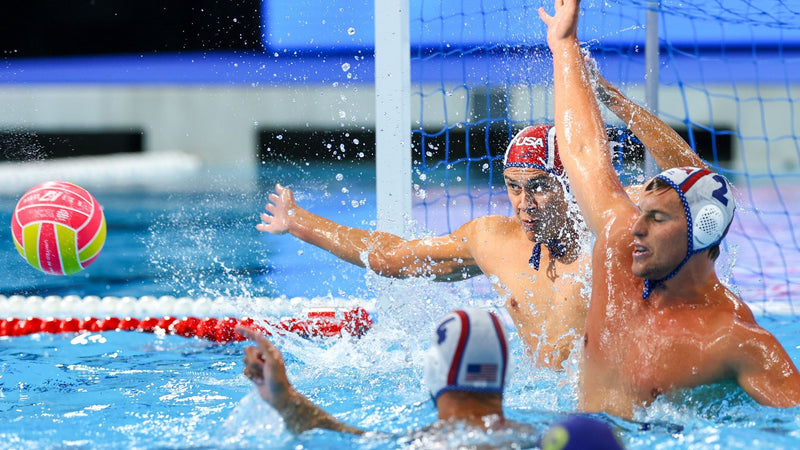
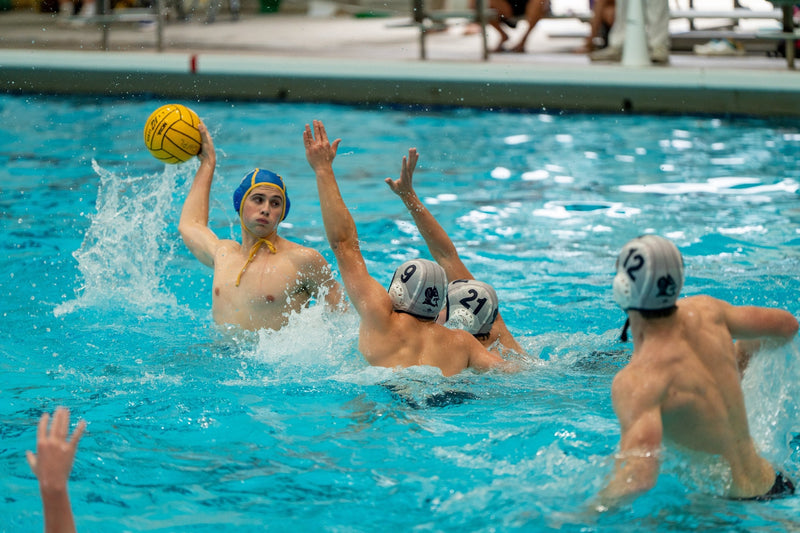
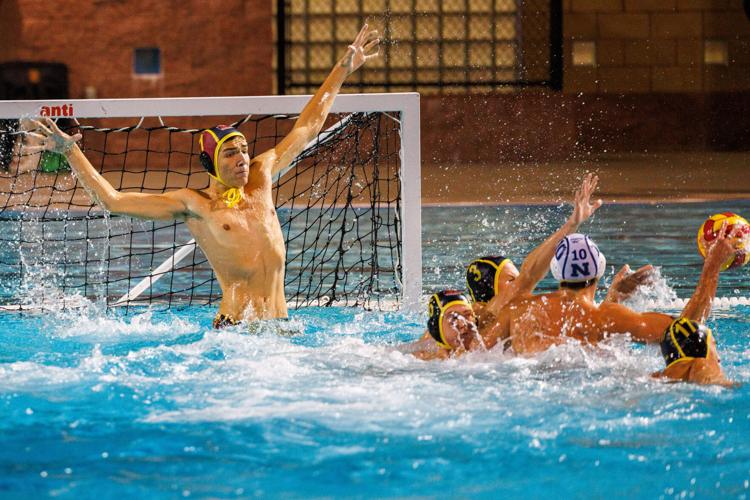
            In the sport I play and now coach, water polo, this is even more important, as goalies frequently make passes nearly the length of the pool which can directly lead to goals. In addition, and again akin to a quarterback, goalies can disguise where they distribute the ball, much like a shooter disguises the placement of a shot, thus rendering the defense off balance and opening up the attack for their team.

            Controlling The Goal Box: One thing that distinguishes top goalies is that they “control the box”—the space immediately in front of the goal. For one, this means coming out for a steal whenever possible: No save recorded, but much like shot-influencing, a steal prevents the shot from ever being taken. Top goalies need this sort of mobility to be effective, otherwise the offense controls the box, which doesn’t bode well for the goalie.

            Likewise, then, with goalies known for their mobility, just by virtue of their being off their line, this causes offensive players to start their attack earlier (i.e. farther from the goal). Even the effective fake-steal can cause an attacking player to pause for a short moment, and at the higher levels, a moment is often all they have before the defense descends and thwarts the attack.

            All this is to say, a lot of nuance goes into good goalkeeping. As the legendary Hall of Fame ice hockey goalie Glenn “Mr. Goalie” Hall famously said, “If you’re not thinking 3 or 4 or 5 plays ahead, you’re not finding goaltending interesting.” With all of the moving parts involved, there’s also this: Every offensive player with the ball at their feet is a threat. At any moment, throughout the entire attack, the ball could be thrust at the goal at upwards of 90 miles an hour. So the goalie spends the entire defensive possession like a coiledspring ready to explode and ready to react, all the while directing the defense, calculating geometry, controlling the box, and looking to intercept a cross pass.

           There’s a reason that, in interviews following an important victory, you often hear goalies praise their defense effusively. Playing behind a committed, trusted defense is a true joy for a goalie—I can speak from experience. Some even contend that goalies only need to make a save due to a lapse in the defense—and according to the pundits, the U.S. defense just didn’t lapse in this opening round game (well, except that one time). And yes, there are the occasional lopsided blowouts in which the goalie really doesn’t do much, but at the higher levels that’s just extremely rare.

            In this 4-1 victory over the #42 world-ranked Paraguay (the U.S. was #15 at the time), every player on the U.S. team executed countless strategies that went unnoticed, some of which lead directly to goals and assists by teammates, or in the case here, shots and goals prevented by their opponent. This is yet another of the insights that makes team sports so uniquely amazing.  With the additional hope being, that this enriches the viewing experience of spectators, as well as a little extra celebration for goalies in every sport.

    -Jack Bowen
    Menlo School Water Polo Coach, Author, & Head of Bowen Goalie Combines
    Author of 5 books in Philosophy and Sport Ethics

    More on Jack Bowen
    Twitter & Instagram: @1jackbowen
    Email: jbowen@menloschool.org
    Websites:

    Leave a comment

    Comments will be approved before showing up.